

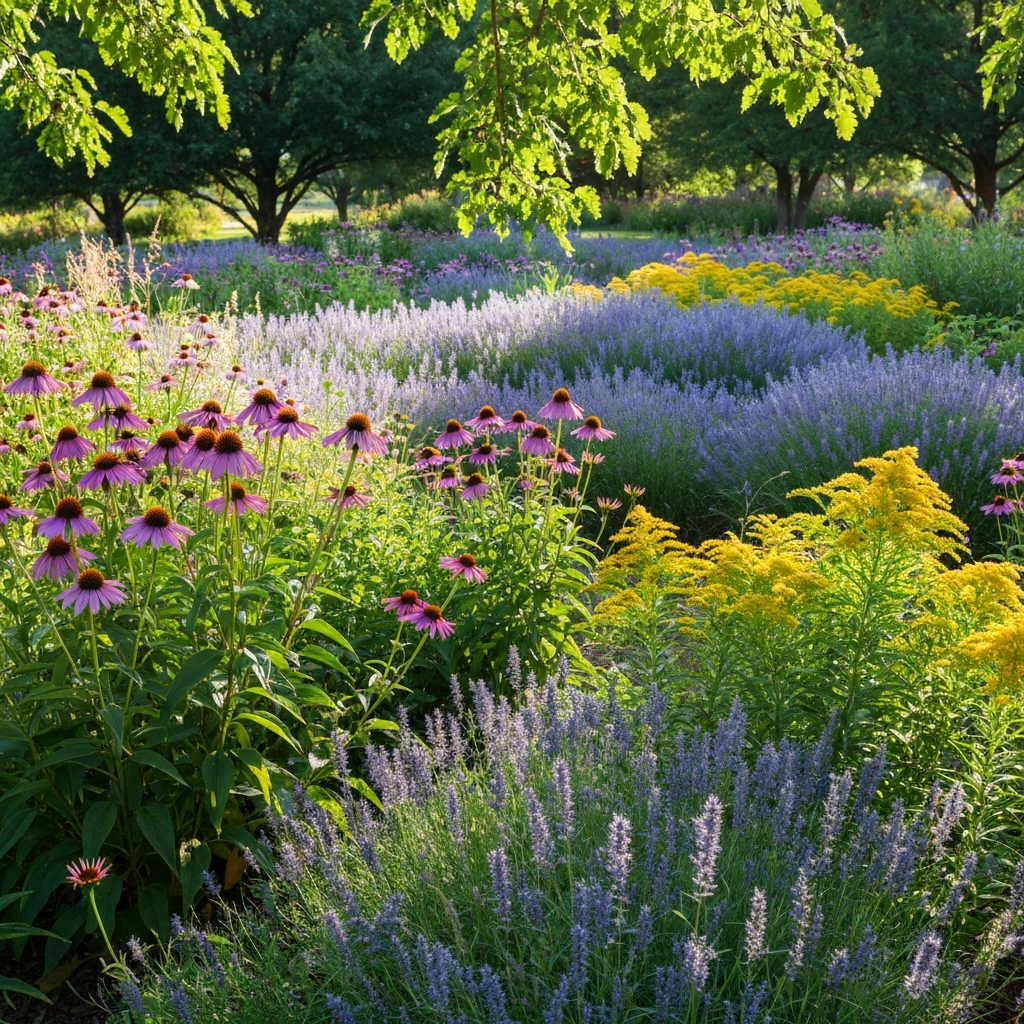
Wichita’s unique climate and geography make it an ideal location for cultivating native plants. These species, having evolved in the region, are well-adapted to local conditions and offer numerous benefits to both the environment and the community.
Why Choose Native Plants?
Native plants have developed over time to thrive in Wichita’s specific climate, soil, and water conditions. This adaptation results in several advantages:
- Water Efficiency: Once established, native plants typically require less irrigation compared to non-native species, conserving water resources.
- Support for Local Wildlife: They provide essential habitats and food sources for native pollinators, birds, and other wildlife, fostering biodiversity.
- Low Maintenance: Adapted to local conditions, native plants often need less fertilizer and are more resistant to pests and diseases.
Popular Native Plants in Wichita
Incorporating native plants into your garden or landscape can be both aesthetically pleasing and environmentally beneficial. Here are some native species to consider:
Wildflowers
- Purple Poppy Mallow (Callirhoe involucrata): A low-growing plant with vibrant purple flowers that bloom in spring and summer.
- Goldenrod (Solidago spp.): Known for its bright yellow flowers in late summer and fall, attracting various pollinators.
Grasses
- Little Bluestem (Schizachyrium scoparium): A warm-season grass with blue-green foliage that turns reddish-orange in the fall.
- Switchgrass (Panicum virgatum): A versatile grass that provides excellent erosion control and habitat for wildlife.
Local Resources and Initiatives
Wichita offers several resources and initiatives to support the use of native plants:
- Botanica’s Cissy Wise Wildflower Meadow: This garden showcases a variety of native wildflowers and grasses, providing inspiration and education for gardeners. Learn more
- Bee City Wichita: An initiative aimed at increasing native plant abundance and supporting pollinators through community engagement. Find out more
- Wichita Wild Habitat Areas: These designated parks preserve native habitats, offering opportunities to experience and learn about local ecosystems. Explore these areas
Getting Started with Native Plants
For those interested in incorporating native plants into their landscapes, consider the following steps:
- Research Suitable Species: Identify native plants that match your site’s conditions and aesthetic preferences.
- Source Plants Locally: Purchase plants from local nurseries specializing in native species to ensure they are well-adapted to the area.
- Plan for Maintenance: While native plants generally require less upkeep, initial care is essential for establishment.
By embracing native plants, Wichita residents can create beautiful, sustainable landscapes that support local ecosystems and contribute to the city’s environmental health.