

Hey neighbors, I’m William White, tapping into what the skies, storms, and temperature tell us lately—and what that means for Wichita’s future.
Big Picture: Climate Trends You Should Know
Kansas has warmed around 1.5°F since the early 1900s. Most of that warming has shown up in winter and spring—meaning milder winters and earlier springs. During that same span, summer and fall temps have trended upward too, though the changes are a bit gentler.
Meanwhile, precipitation patterns remain unpredictable. Rainier winters are expected, while summers are projected to become drier—heightening stress during the hottest months. Droughts and heat waves remain signatures of vulnerability here in south-central Kansas.
What Wichita Feels Like on the Ground
Seasons: Still Distinct, But Shifting
We still get all four seasons—spring blossoms, melting snow, autumn colors, steamy summers—but the transitions are acting up a bit. The first 90°F+ days are creeping earlier in the year, and the last 90° days are stretching later. Freezing mornings—though still part of the rhythm—are appearing a bit less rigid.
Hot Summers & High Temps
Wichita averages over a dozen days a year that pass 100°F. Those typically come between June and August, with July usually bearing the brunt. Temperatures overnight—when it’s supposed to cool off—are rising too. Less nighttime relief puts strain on people, animals, and even our power grid.
Environment & Life: More Than Just Weather
Pollen, Frosts, and Growing Seasons
Allergy seasons are stretched longer with warm springs and late first frosts. Tree and grass pollens kick off earlier, and ragweed lingers until frost—usually around late October. More frost-free days mean some longer harvests and gardening windows, but also more water stress and invasive species pressure.
Urban Heat & Local Impacts
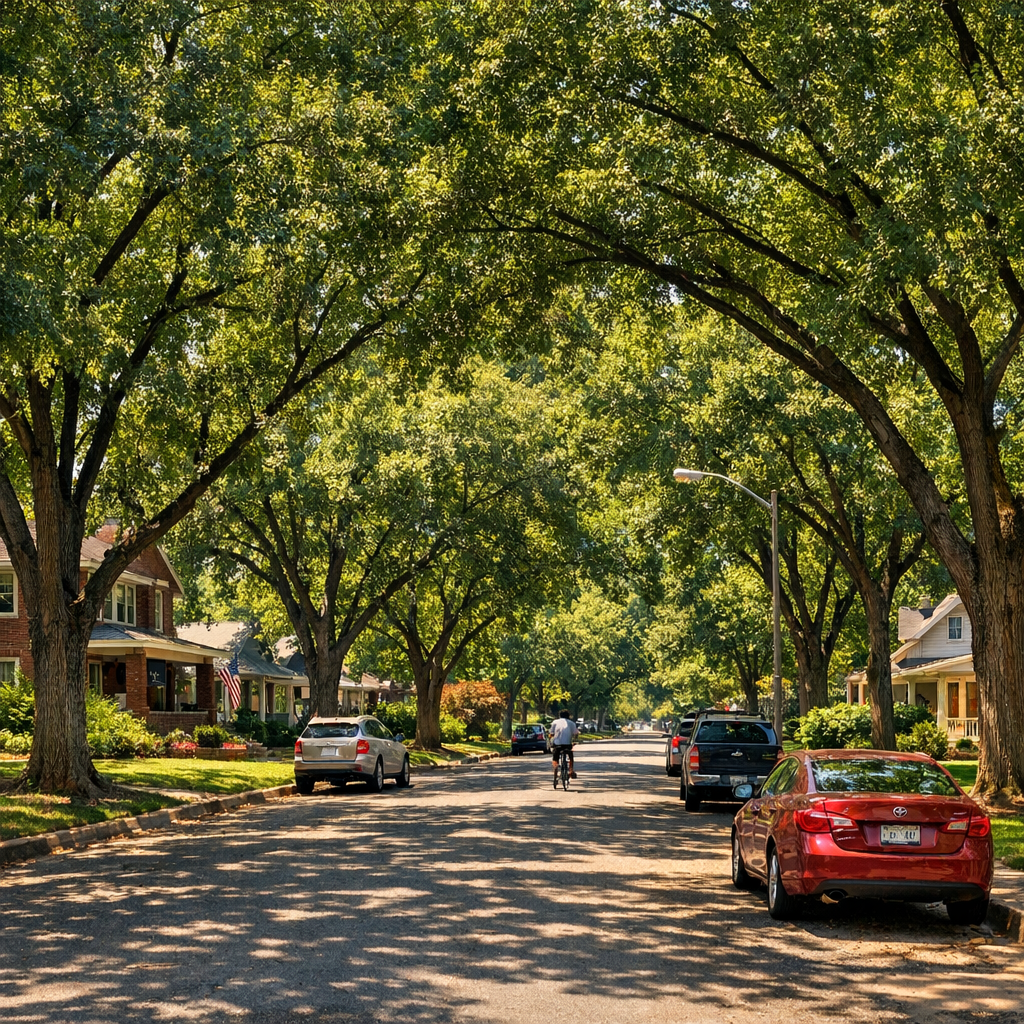
Our city’s built‐up areas—roads, parking lots, dense housing—trap heat. Wichita shows signs of what experts call the ‘‘urban heat island’’ effect. On hot days, those neighborhoods often stay warmer longer at night. For vulnerable folks—seniors, low income, outdoor workers—that’s a concern. Cooler ground-cover, more shade trees, and awareness help, but action is needed.
Why It Matters—and What We Can Do
Weather isn’t just small talk. These shifts affect what crops we plant, when schools heat up and need extra cooling, how we build our homes and plan public spaces. Droughts can hit our farmland and reservoirs. Heat waves pose risks to health and infrastructure. Every degree of change matters.
Here in Wichita, small steps make sense: planting trees, designing parks for cooling, patching sidewalks to reduce heat reflection, conserving water during hotter, drier stretches. On a bigger scale, supporting policies that reduce carbon emissions, improve air quality, and invest in resilient infrastructure will help ensure home feels like home—no matter the weather.
Weather will always surprise us a little. It’s how we listen and respond that shapes what’s next.